
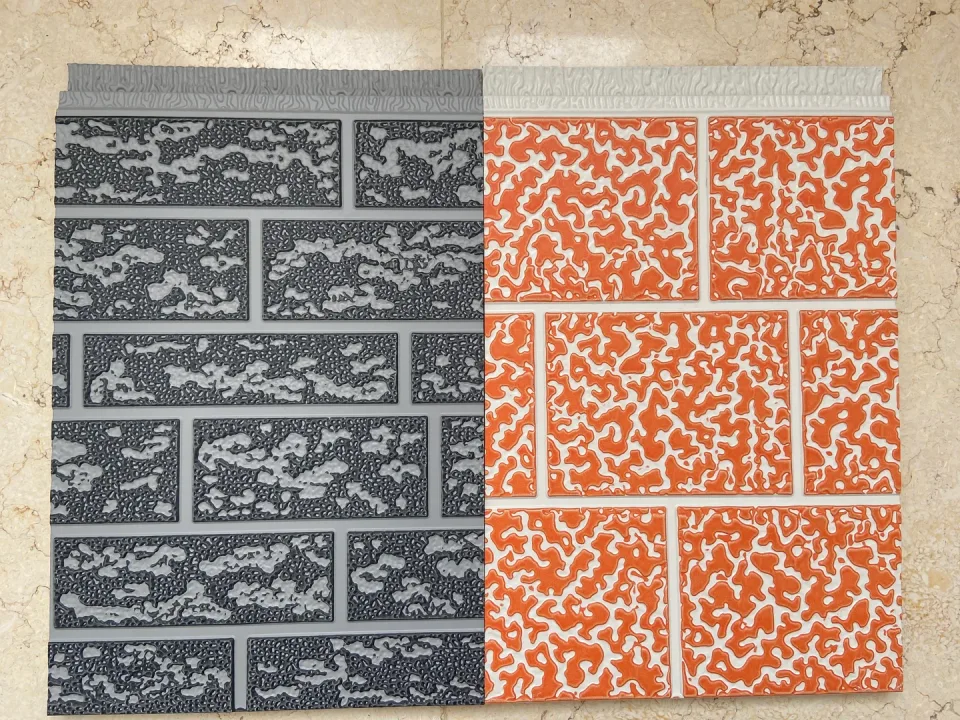
In this guide
To compare metal siding samples, examine each piece from the front, at an angle, at close range and along its edge and joint. Use the same lighting and background, and record your observations against the product SKU. Photographs help shortlist finishes; physical samples help confirm the colour, texture and profile before an order.
A reliable selection starts with what you want the building to look like, then moves from the catalogue to a physical sample and a documented specification.
Key Takeaways
- Shortlist by colour, pattern, embossing, formed profile and any recoating.
- Compare real pieces at matching angles and under consistent daylight.
- Check SKU and thickness, record your preferred finish, and confirm the sample and delivery arrangement with Tegravo.
How to shortlist metal siding panels from photographs
Browse the metal siding panel catalogue and its five appearance families: Wood Grain, Brick Look, Stone Look, Solid Colors & Textured Finishes, and Fluted. Application photographs help you see whether a finish fits a residential, mobile-home, commercial, industrial or refurbishment project. Avoid choosing from one attractive exterior photograph alone.
| Selection condition | What to look for |
|---|---|
| Target colour | Coated-steel base colour and any colour combination for the project. |
| Pattern | Wood, brick, stone or other decorative motif. |
| Embossing | Surface relief, where applicable. |
| Formed profile | Flat (FP), straight or bevelled grooves, Narrow-Fluted (NFP), Fine-Fluted (FFP), Fine Corrugated (FCP). |
| Joint appearance | Visual rhythm of motif joints, formed grooves and panel seams. |
| Building application | Project type, roof and frame colours, installation direction. |
Photographs narrow the shortlist; they do not establish the exact colour or relief of a delivered sample. Read our guide to choosing metal siding finishes and profiles for the product category comparisons.
Understand the five visual properties
A panel's appearance can be described using the following attributes. They work together, but not every product has a separate embossing or recoating option. Note the properties that apply to each selected SKU.
| Property | What to compare |
|---|---|
| Pattern | Wood-grain, brick, stone or another decorative motif. |
| Colour | Base colour of the coated steel and colour combinations, separately from the pattern. |
| Embossing | Fine surface relief, where applicable, such as Bark Texture (BT). |
| Formed profile | Larger-scale board shape: Flat (FP), Double Straight-Groove (DSG), fluted or corrugated profiles. |
| Recoating | Full-Panel Roller Recoating (RC), a finishing operation after forming that changes the coating appearance, where applicable. |
Do not confuse the original coated-steel colour, printed pattern, embossed texture or formed groove with the final roller-recoated finish. Wood, brick and stone appearances are decorative metal finishes, not natural timber, solid brick or natural stone.
How to examine a physical metal siding sample
When comparing several pieces, keep the orientation, light and background consistent. Start with the face and then change your viewing angle intentionally.
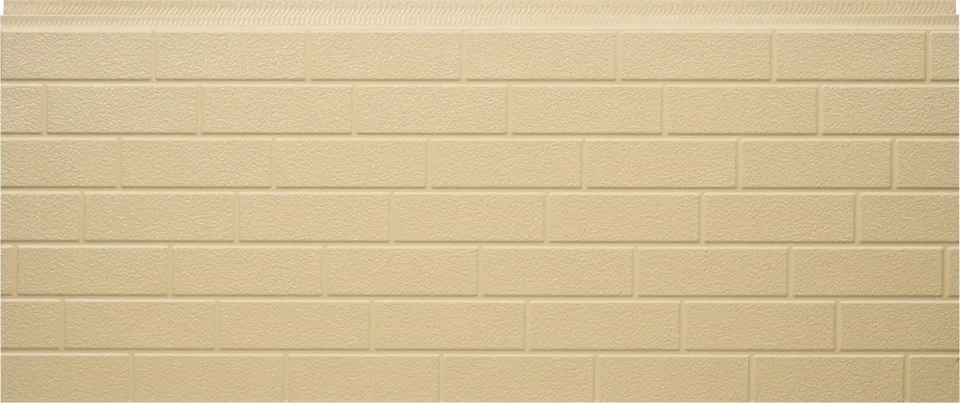
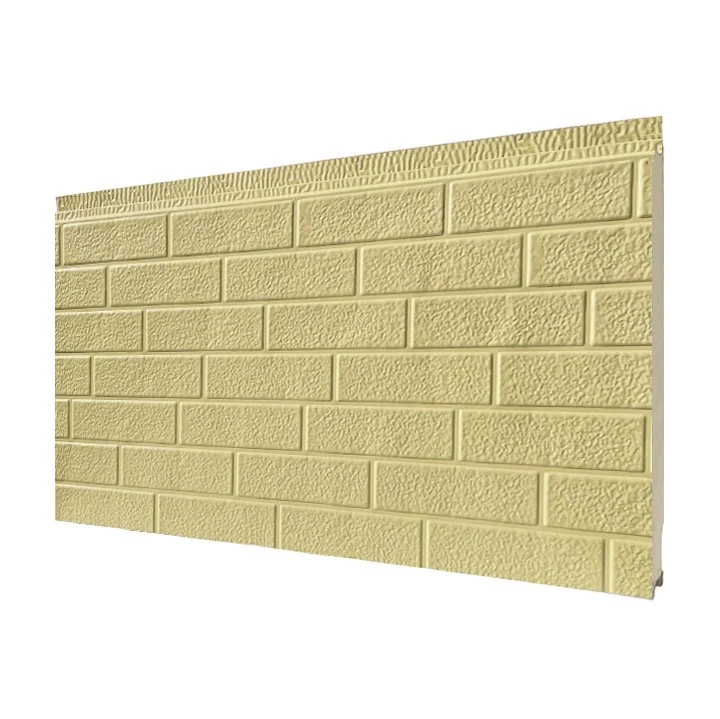
Figure 1. Separate views of the same SKU; the individual physical samples and shooting conditions are not independently verified.
Front view
Hold the sample in the intended installation orientation. Note its overall colour, brick arrangement or wood-grain direction, groove number and visual rhythm. Compare similar-sized samples on the same neutral background.
Angled view and directional lighting
Observe the same piece from an angle and move the light direction. This can reveal relief, groove shadows and differences in perceived gloss that are less obvious head-on. Compare all candidates at the same angle before switching angles.
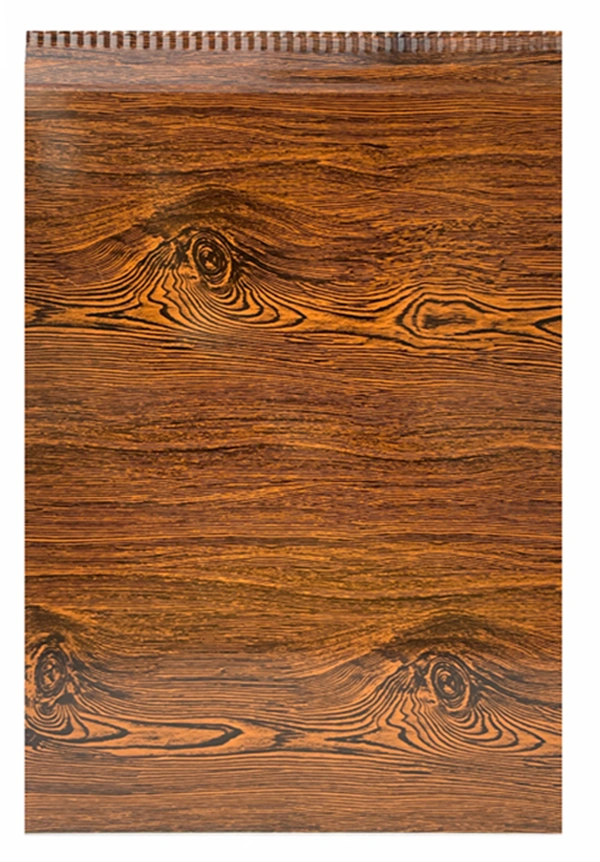
Close-up view
Look closely at motif detail, colour transitions and the visible surface condition. Examine fine relief under directional light rather than treating the appearance of a photograph as a texture measurement.
Panel edge and joint view
Check the edge shape, overlapping joint, visible build-up and selected nominal thickness. Compare how neighbouring pieces meet and how their edges relate to requested trims. Tegravo's current SKUs support standard 16 mm and 20 mm configurations; confirm which configuration is represented by the sample.
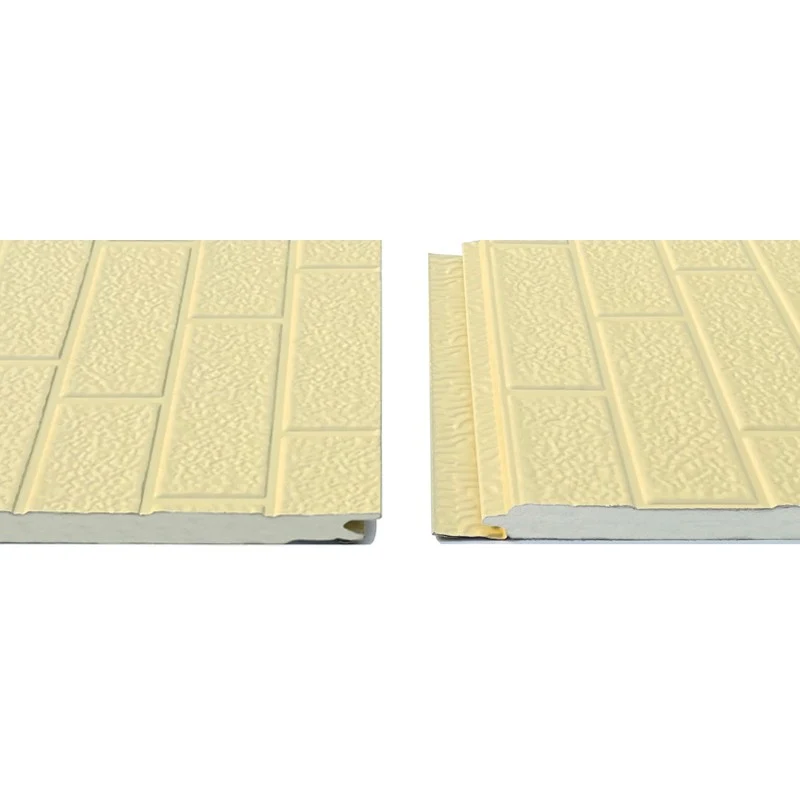
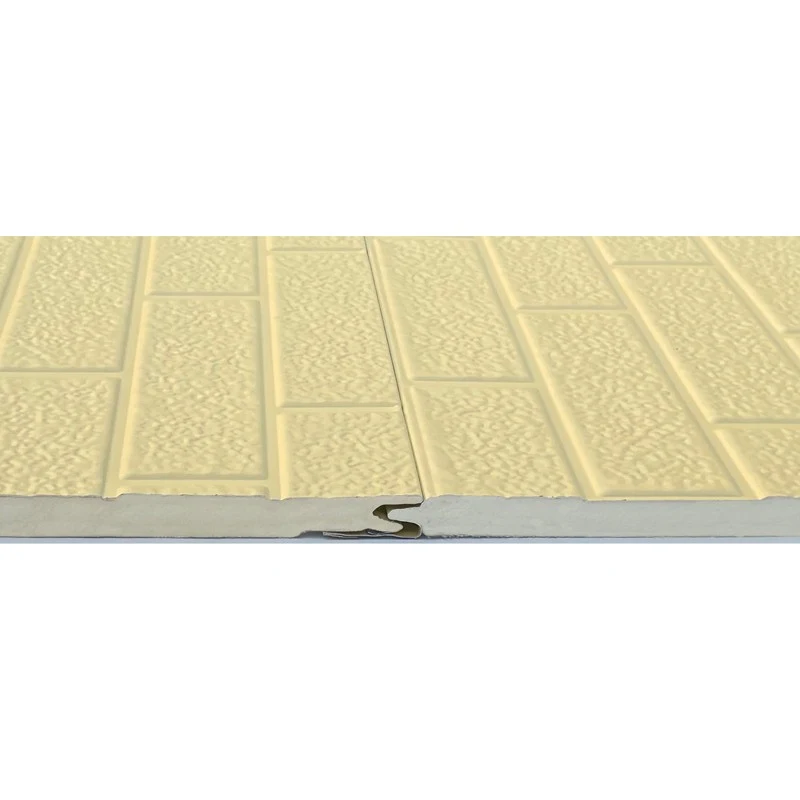
Figure 3. 7CB-101 edge and connection reference. The photographed thickness is not identified.
Do not infer fire, wind, thermal, acoustic or weather resistance from a small sample or photo. Refer to applicable tests, product specifications and the complete wall assembly for engineering decisions.
Why metal siding colours look different in photographs
A photograph records the surface together with the lighting and camera settings. Warm or cool light can shift apparent colour; side lighting accentuates relief; exposure and white balance affect recorded tone; angle changes shadows and gloss. Screen brightness and colour settings, backgrounds and nearby finishes also affect perception.
If two images of the same SKU appear different, do not conclude that the panels are different colours or that the difference is simply a viewing effect. Compare physical samples under the same light, background and angle, and check their identification before making a decision.
Compare samples under real project conditions
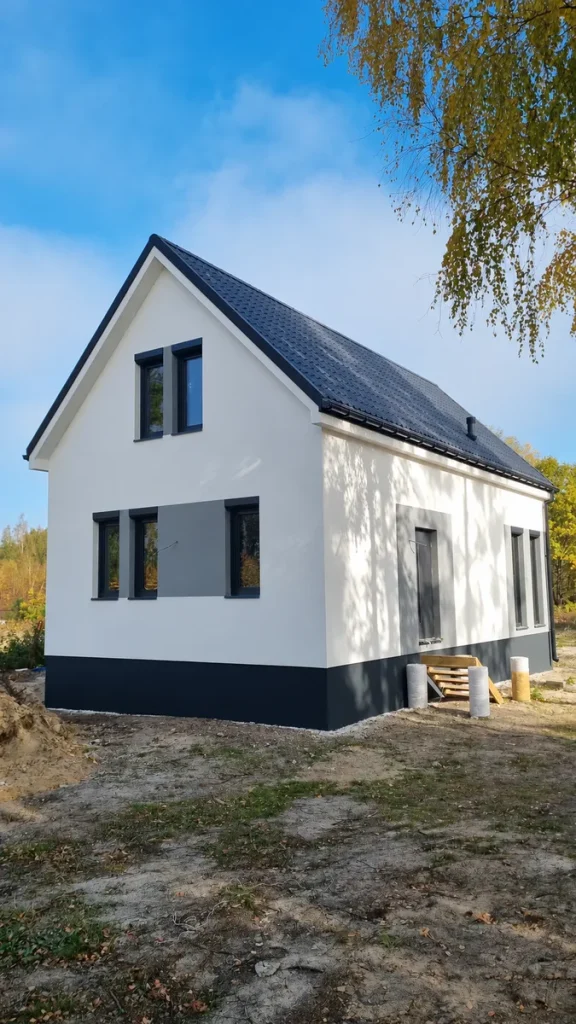
- Place samples side by side in daylight and then in shade.
- Set each piece in its planned installation direction.
- Compare roof, window, door and trim colours alongside the panel.
- View from close range and at a useful standing distance.
- Use multiple pieces or a larger layout to assess pattern repeat and seams when available.
A sample of about 35 cm cannot reproduce the visual balance of a whole building. For critical decisions, review a larger layout and keep the approved reference sample identified.
Check the same SKU and compare different profiles
Record the SKU, finish reference, coated-steel colour, pattern, embossing, formed profile, any RC option and thickness. A same-SKU photo set is useful for comparing views; it does not prove the same individual piece, colour measurement or batch. The three examples below share the WG001 wood-grain reference and are separate products.
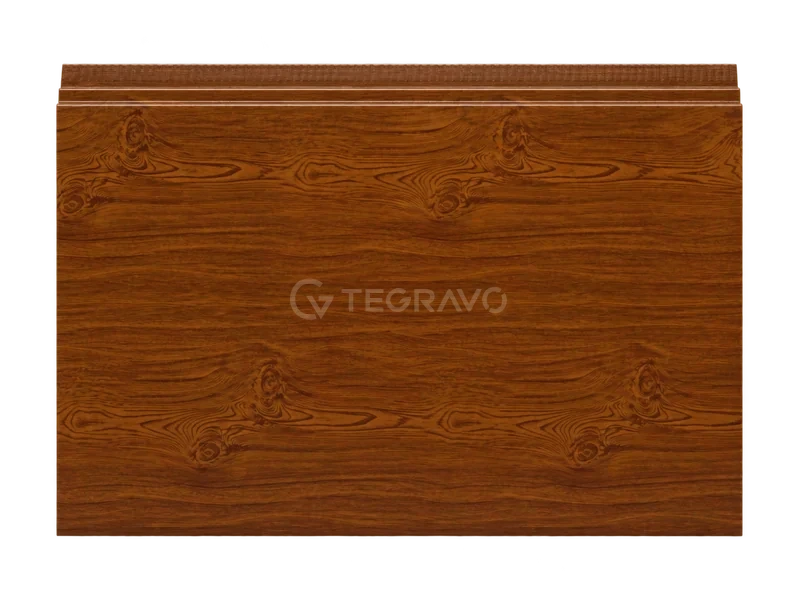 FP-WG001
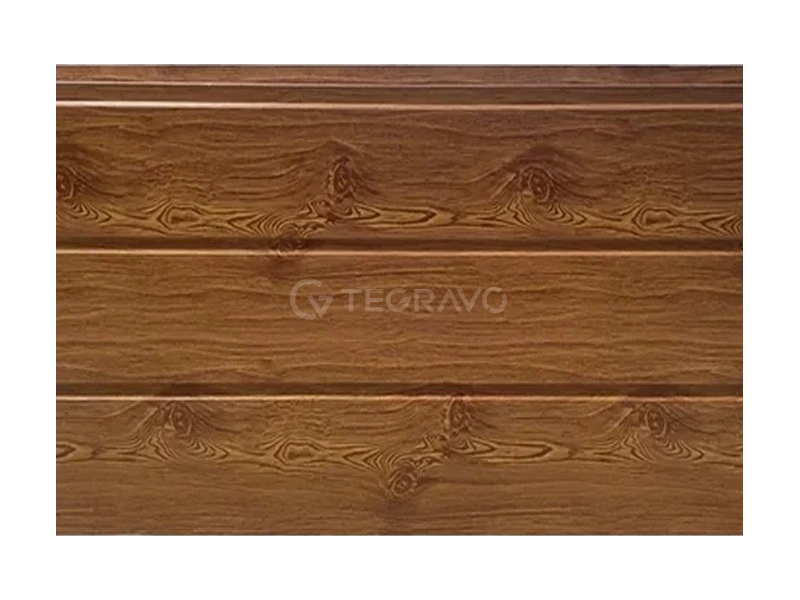 DSG-WG001
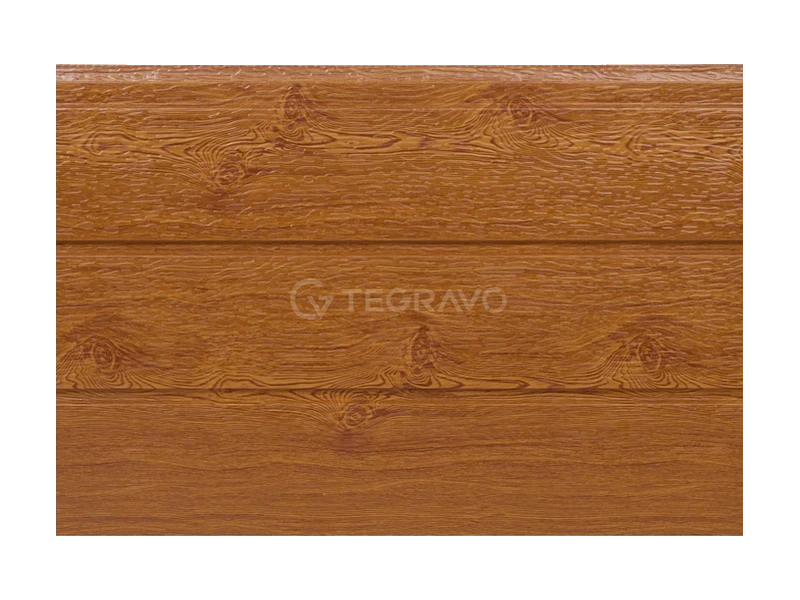 DSG-BT-WG001
Figure 5. Common wood-grain reference, separate SKUs.
| SKU | Formed profile | Embossing |
|---|---|---|
| FP-WG001 | Flat (FP) | Check the product sheet |
| DSG-WG001 | Double Straight-Groove (DSG) | Check the product sheet |
| DSG-BT-WG001 | Double Straight-Groove (DSG) | Bark Texture (BT) |
Compare the first two to observe the formed grooves, then the last two to evaluate the added bark-texture option. A missing code segment is not evidence that an attribute is absent. Confirm the selected sample and product sheet before specifying it.
Physical sample comparison checklist
Enter the findings for up to three candidate samples. Record “not applicable” and “to confirm” separately. Keep the completed checklist with the selected sample reference.
| Comparison item | Sample A | Sample B | Sample C |
|---|---|---|---|
| Product SKU | |||
| Colour | |||
| Pattern | |||
| Embossing | |||
| Formed profile | |||
| Recoating (RC) | |||
| Thickness | |||
| Panel edge and joint | |||
| Natural daylight appearance | |||
| Shade appearance | |||
| Project colour coordination | |||
| Final selection |
How to request metal siding samples from Tegravo
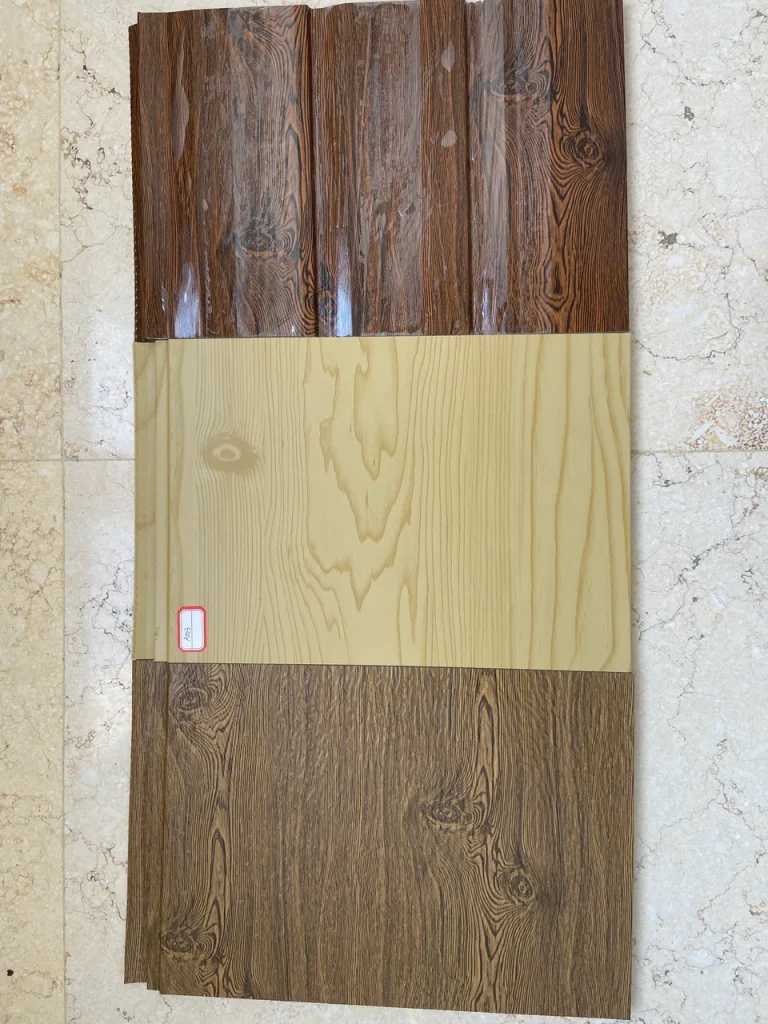
- Browse the product catalogue and identify the relevant finish categories.
- Shortlist the specific SKUs you want to compare.
- Provide the sample quantity, requested thickness and destination to sales.
- Confirm the sample configuration and shipping arrangement.
- Compare the delivered samples and record the selected specification.
| Item | Standard sample policy |
|---|---|
| Sample length | Approximately 35 cm |
| Sample cost | Free |
| Delivery | Paid by the customer; cost depends on destination, sample count and shipment volume. |
| Quantity and configuration | Discuss requested SKUs, thickness, quantity, edges and accessories with sales. |
| Shipping arrangement | Air, sea or consolidation with other purchased goods in China can be discussed. |
Sample shipping and bulk production lead time are separate. Timing and cost depend on the actual arrangements. For additional information, see our ordering and samples FAQ.
From sample selection to formal enquiry
After comparing the samples, record the selected SKU and configuration, including thickness, motif, colour, embossing, forming and any recoating. Prepare the required panel area, destination port and project drawings or reference photographs. Use the wall area calculator or wall cladding area guide to organise your measurements. Read what to prepare for a metal siding panel quote before contacting the team to review quantities, packing and production arrangements.
Frequently asked questions
Why does a sample look different from its photograph?
Lighting, camera angle, exposure, white balance and screen settings can change its appearance. Compare the actual sample under matched conditions.
How should I compare colours under natural light?
Put samples side by side outdoors in sun and shade, against the same background and orientation. Record the lighting condition.
What is the difference between embossing and formed profiles?
Embossing is the surface relief; forming describes the larger-scale board shape and grooves. They are separately recorded attributes.
Can two panels with the same colour have different textures?
Yes. Colour is only one attribute. Pattern, embossing, formed profile and any recoating can also vary.
How large are Tegravo's samples?
A standard sample piece is approximately 35 cm long. Confirm the requested configuration with sales.
Does Tegravo offer free samples?
The standard panel sample itself is free; delivery is paid by the customer.
Who pays for sample delivery?
The customer pays delivery costs, checked according to destination, quantity and shipment volume.
Can a small sample represent an entire building?
It shows local colour, motif and profile, but cannot reproduce the full facade's repeat pattern and visual relationships. Compare a larger layout where practical.
Confirm your selected finish
Shortlist from photographs, compare samples under matched conditions and confirm the final SKU and specification. Send the chosen sample references and project details when you are ready to move from selection to a formal enquiry.